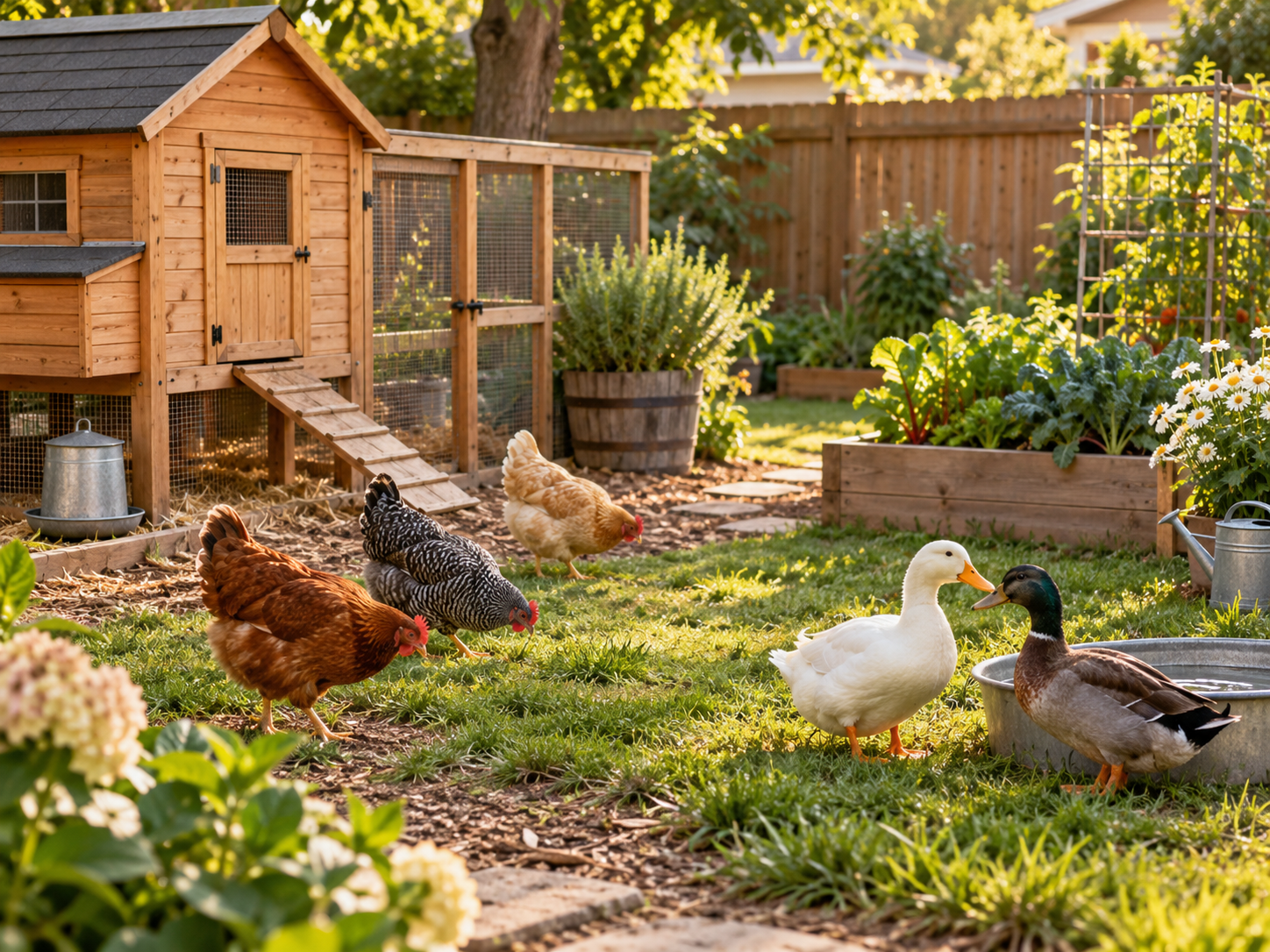
You do not need acres of land to start homesteading. A small backyard can be enough to grow food, learn useful skills, reduce waste, and become more self-sufficient over time. The key is to start small, focus on what matters most to your family, and build your homestead one project at a time.

1. Decide What Homesteading Means to You
Homesteading looks different for every family. For some people, it means growing vegetables and cooking more meals from scratch. For others, it may include chickens, food preservation, composting, or learning practical household skills. Before buying supplies or starting projects, decide what you want your homestead to help you accomplish.
2. Look at the Space You Already Have
You do not need a large property to begin. Walk around your yard and look at how much sunlight different areas receive, where water is easiest to access, and which spaces could be used more efficiently. A sunny corner may become a vegetable garden, a small patio can hold containers, and an unused side yard may work for herbs, compost, or storage.
3. Start With a Small Garden
Growing even a small amount of food is one of the easiest ways to begin homesteading. Start with vegetables and herbs your family already eats instead of trying to grow everything at once. A few raised beds or containers can teach you a lot about planting, watering, harvesting, and caring for your soil.
4. Start Composting
Composting is one of the easiest ways to turn everyday waste into something useful for your homestead. Fruit and vegetable scraps, coffee grounds, dry leaves, and untreated yard waste can eventually become rich compost for your garden. Start with a small compost bin or pile and learn as you go. You do not need a complicated setup to begin.

5. Add Animals Only When You’re Ready
Backyard animals can be a wonderful part of homesteading, but they also add daily responsibility. Before bringing home chickens, ducks, or other animals, make sure you have enough space, secure housing, a plan for feed and water, and time for regular care. Starting with one type of animal is usually easier than trying to add several at once.

6. Learn a Few From-Scratch Skills
You do not have to make everything from scratch to become more self-sufficient. Start with a few simple foods your family uses often, such as bread, tortillas, yogurt, broth, or seasoning blends. Each skill you learn can save money, reduce trips to the store, and help you feel more confident in the kitchen.

7. Build a Practical Pantry
A well-stocked pantry makes everyday life easier and gives you more flexibility when prices rise, weather changes, or you cannot get to the store right away. Focus on foods your family actually eats, such as rice, beans, pasta, oats, flour, canned vegetables, broth, and basic baking ingredients.

8. Preserve What You Grow
Once your garden starts producing more than you can eat right away, learning how to preserve food helps you make the most of your harvest. Freezing, dehydrating, fermenting, and canning are all useful skills you can learn gradually. Start with one method and practice before adding more.

9. Set a Homestead Budget
Homesteading can save money over time, but getting started can also become expensive if you try to do everything at once. Decide how much you can comfortably spend each month and prioritize the projects that will make the biggest difference for your family. Look for ways to reuse materials, buy secondhand supplies, and complete one project before starting another.

10. Build One Project at a Time
It is easy to look at established homesteads online and feel like you need everything immediately. You do not. Choose one project, learn from it, and then move on to the next. Your first project might be a small garden bed, a compost bin, learning to bake bread, or preparing a space for future animals. Small projects add up over time.

11. Let Your Homestead Grow With You
Your homestead does not need to look perfect to be successful. Some plants will fail, projects will change, and you will probably discover that some ideas work better for your family than others. Pay attention to what works, make adjustments, and enjoy learning new skills along the way.
The goal is not to create the perfect homestead overnight. It is to slowly build a home that helps your family feel more capable, prepared, peaceful, and connected to the way you live.
Start Where You Are
You do not need acres of land, expensive equipment, or years of experience to begin. Start with the space you have, choose one thing you would like to learn, and take your first step.
Peaceful Roots is about creating a peaceful life within a chaotic world—one garden, meal, skill, and homestead project at a time. 🌿
For this final section, I’d use one beautiful closing image of a peaceful small homestead at golden hour rather than another instructional picture.

Leave a Reply